
How to grow blackcurrant?
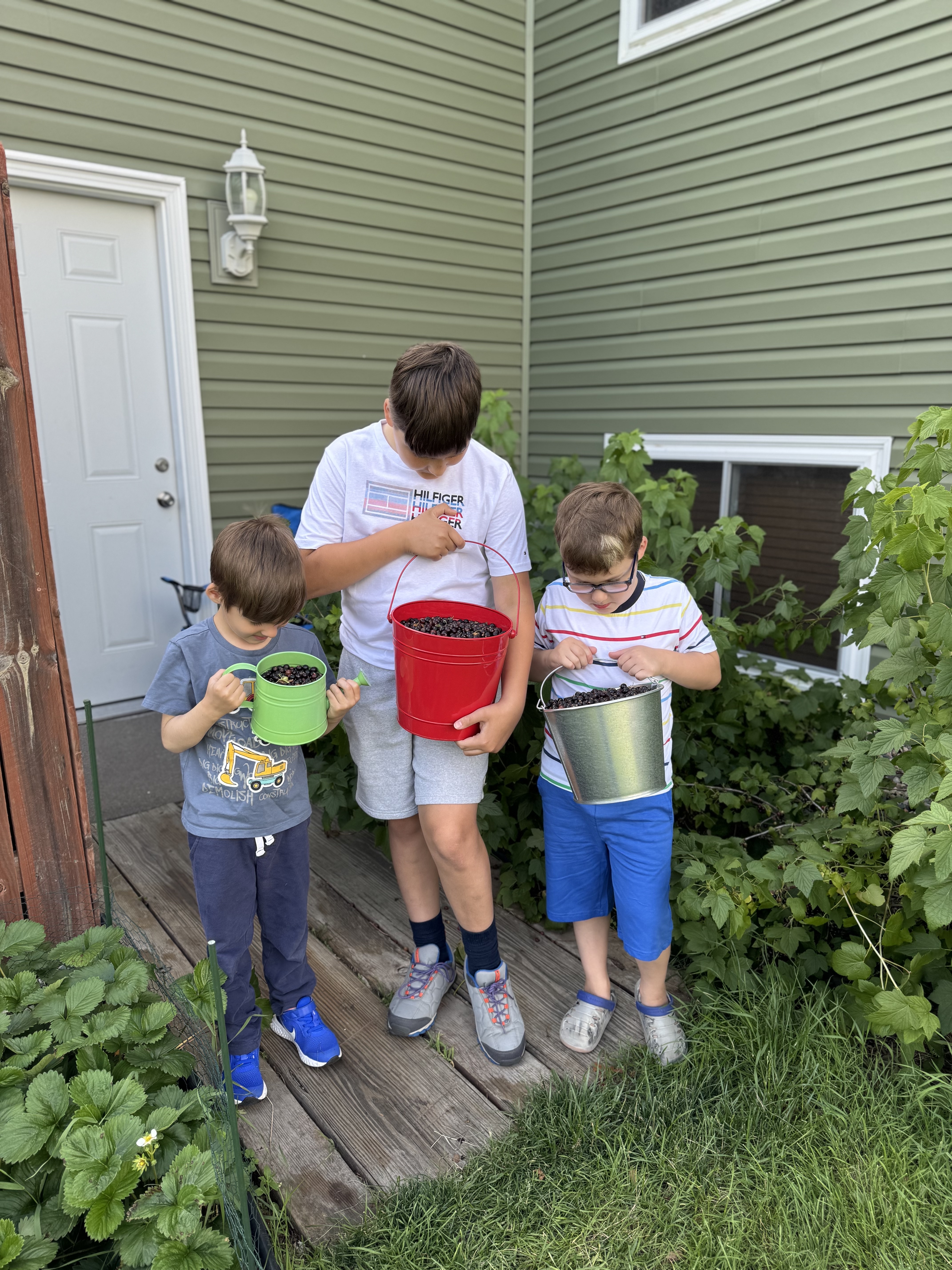
These small, dark berries are rich in vitamin C and antioxidants. They thrive in moist, well-drained soil. The soil should have plenty of organic matter. Black currant bushes are grown successfully in North America, Northern Europe, and Russia. In the United States, blackcurrant plants do best in northern states with cold winters. Here’s a comprehensive guide on how to grow black currants successfully. Growing black currants can be a rewarding experience, especially for gardeners in cooler climates. Yet, it is worth trying to grow black currant in warmer climates as well. Plant them on the side of the house that gets morning sun and afternoon shade. The only way to know is through trial and error.
Cuttings are usually sold at local nurseries in early spring. Often, black currant is not sold at nurseries in the southern states of North America. In this case, you will need to buy them online in early spring. When planting new plants in early spring from a nursery, don’t expect them to bear fruit the first year. Next year, you will get a few berries as the plant is not mature. Black currant plants need 3-4 years to mature. Then, they will reward you with a quart of fruit per plant.
Black currant plants are northern plants; thus, they are the first ones to bloom in the spring. My currant bushes are sprouting where there is still snow to reward me with berries in early summer.
1. Choosing the Right Black Currant Variety
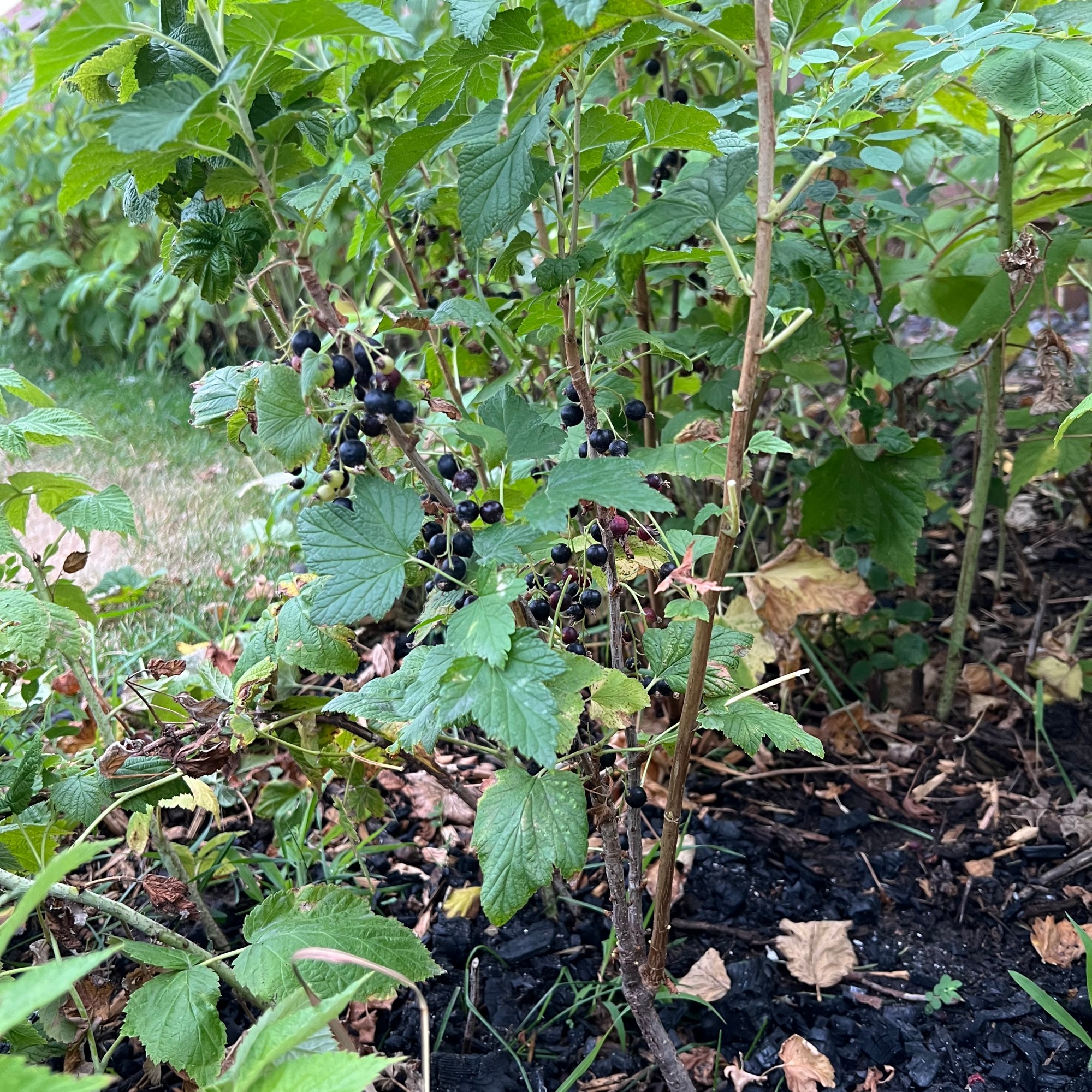
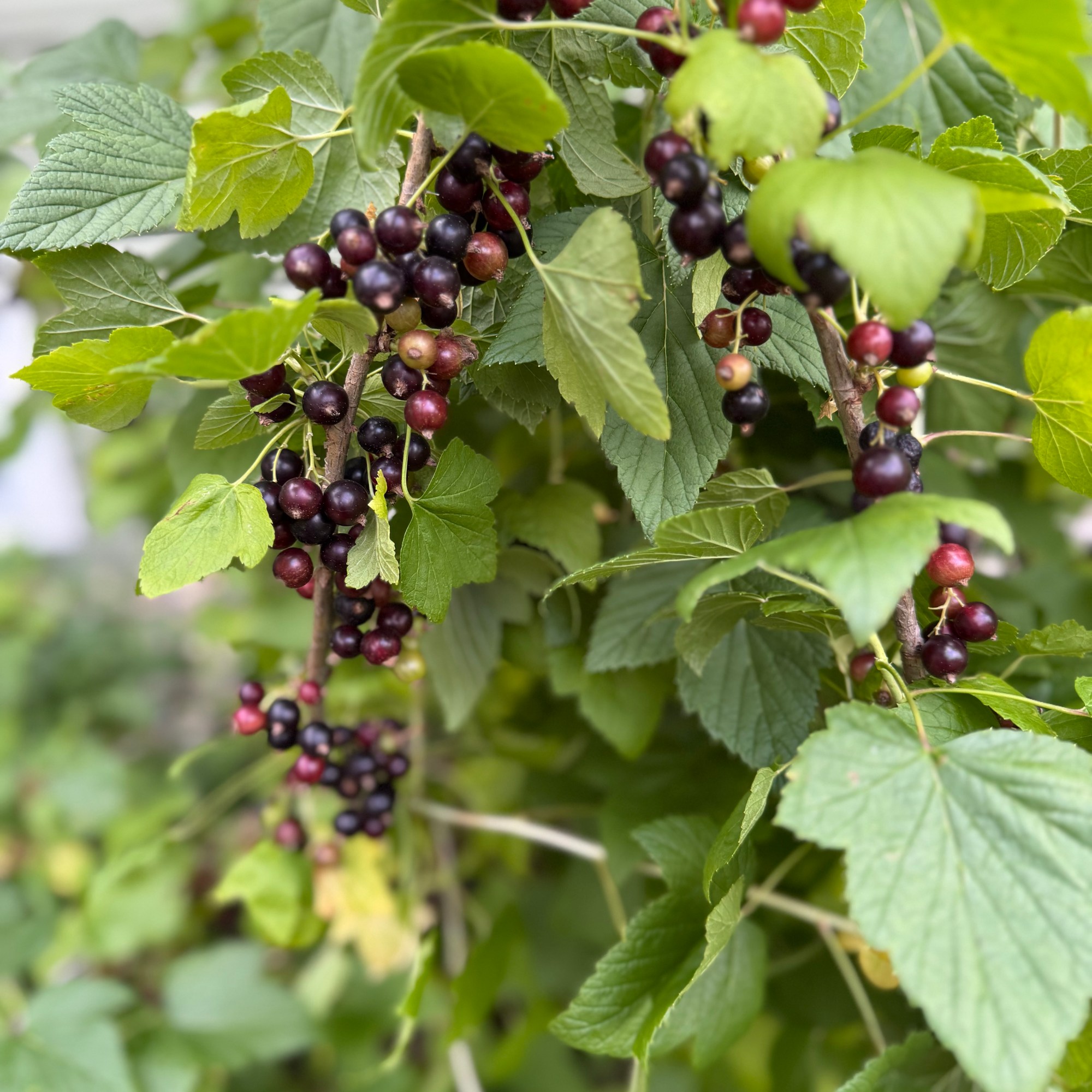

There are several black currant varieties, each with unique flavors, growth habits, and disease resistance. Some popular varieties include:
- Ben Lomond: High-yielding, compact variety; good for cooler regions.
- Ben Sarek: Dwarf variety, ideal for small gardens and containers.
- Ben Hope: Resistant to mildew and big bud mite.
- Titania: Vigorous, hardy, and mildew-resistant.
When selecting a variety, consider your climate, space availability, and disease resistance. Trial and error are the best ways to find your favorite variety. Some varieties are bitter and tart. Buy a variety that is sweet and large in fruit size. I have to get rid of the bushes that were bitter and tart. It took me years to realize that there were sweet varieties available.
They can be planted as single plants, as they are self-pollinating.
2. Selecting and Preparing the Site
Black currants prefer:
- Full sun to partial shade. Black currants prefer morning sun and afternoon shade. Planting on right location is a key.
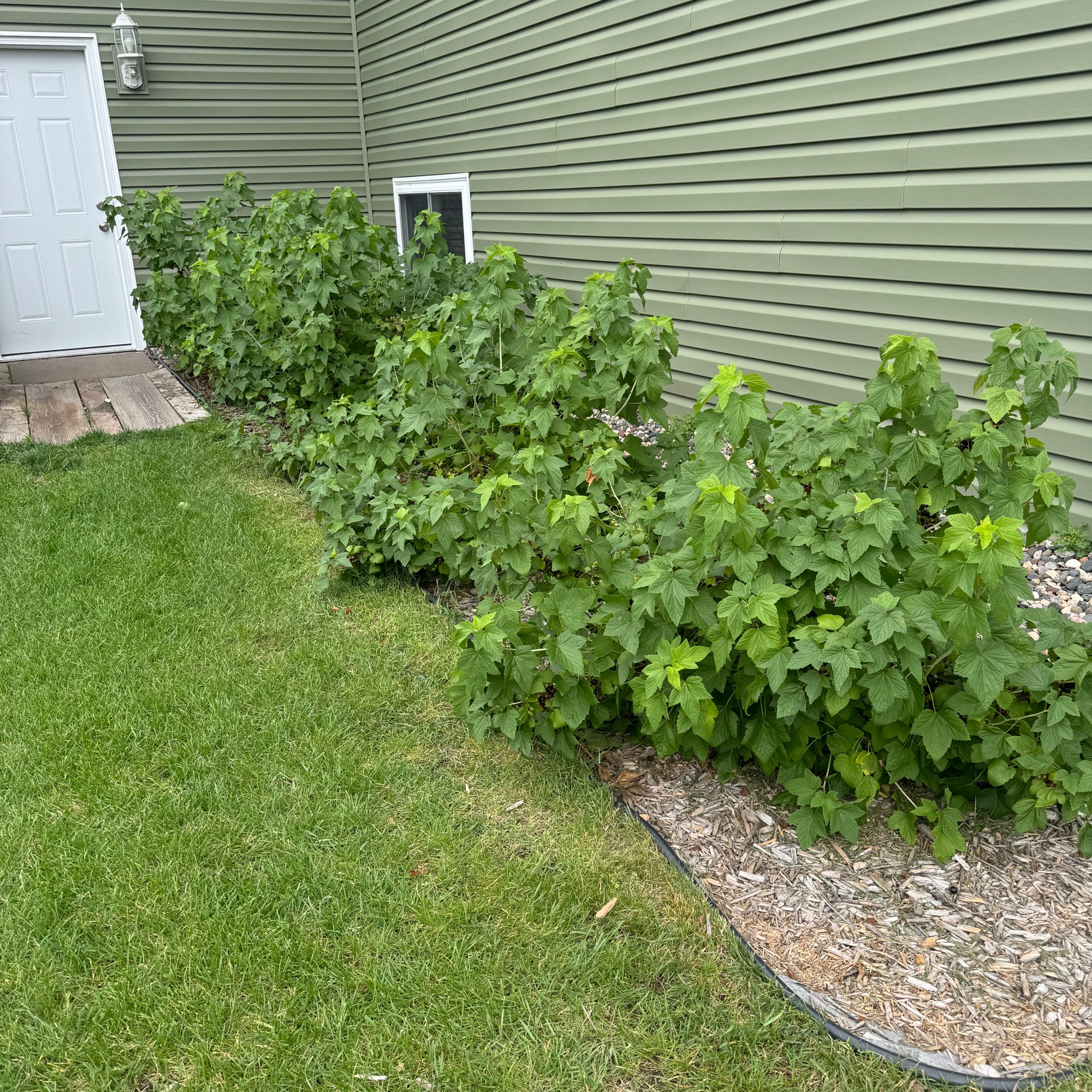
- Sheltered spots, protected from strong winds. Bushes protected in my garden are much larger compared to those that are in open space. I planted a row of bushes next to my house on the south side. Bushes can also be planted next to the fence. Try not to plant black currant under the tree. The tree will choke up the plant’s roots, leaving small or no berries.
- Moist, well-drained soil, ideally slightly acidic (pH 6.0–6.5). I don’t use any acidity and get a ton of berries. They are not particular about acidity like blueberries are.
Avoid planting in frost pockets, as late spring frosts can damage flowers, leaving you with no berries.
Black currants are the first bushes to sprout when there is still snow on the ground. They are also the first to bloom when it is still cold in the northern Minnesota spring. For this reason, a blooming plant should be protected from the wind.
Prepare the soil by removing weeds and incorporating plenty of compost or well-rotted manure. If your soil is very heavy or clay-rich, consider planting in raised beds.
3. Planting
The best time to plant bare-root black currants is in late autumn or early spring. This is when the soil is workable. It is also when the plant is dormant.
Steps:
- Dig a planting hole about 2 feet wide and 1 foot deep.
- Space plants 5–6 feet apart to allow for airflow and light penetration. Planting far apart helps to get large berries.
- Set the plant slightly deeper than it was in the nursery. Cover an inch or two of the stem. This encourages new shoots from below soil level.
- Back fill with enriched soil, firm down gently, and water thoroughly.
Mulch the base with organic material like straw, compost, or bark to keep moisture and suppress weeds.
4. Watering and Feeding
Black currants need consistent moisture, particularly during dry spells and while the fruit is forming.
- Water regularly, especially in dry periods.
- Feed in early spring with a balanced fertilizer or a high-potash feed to promote fruiting.
- Top-dress annually with compost or manure to keep the soil fertile.
5. Pruning and Maintenance
Proper pruning is essential for healthy growth and good fruit production. The best time to prune is in late winter or early spring, before new growth starts.
Pruning tips:
- In the first year, cut all shoots down to 2–3 inches to encourage a strong root system and bushy growth.
- From the second year, remove older branches. They should be 3+ years old. Aim to keep a mix of 1-, 2-, and 3-year-old wood.
- Cut out any dead wood, diseased, or crossing branches to improve airflow and light.
Aim to keep 8–12 strong shoots per bush.
6. Pest and Disease Control
Common problems include:
- Aphids: Control with any oil or insecticidal soap.
- Big bud mite: Causes swollen buds; remove and destroy affected buds. Consider planting resistant varieties like Ben Hope.
- Powdery mildew: Encourage airflow and avoid overhead watering.
- Planting in a full sun location can help reduce fungal infection or fungal disease
Keep the area around the plants tidy to reduce disease risks and overwintering pests.
7. Harvesting


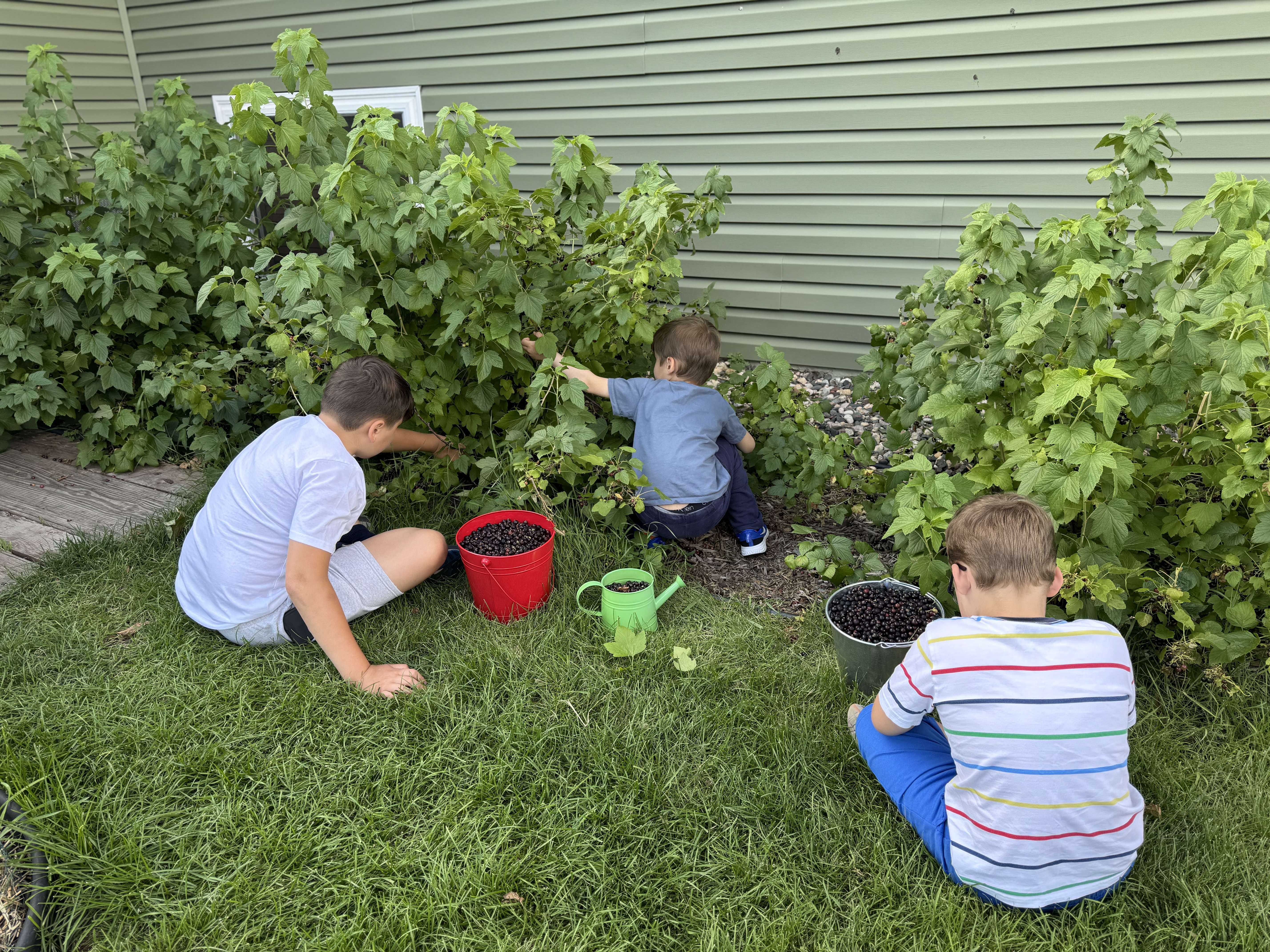
Black currants usually ripen from mid to late summer. The berries grow in clusters and should be harvested when fully black, soft, and sweet. The best way is to harvest daily or every other day, collecting the black ripe berries. Berries do not ripen at the same time. You will have a few black ones on the branch, a few red and the rest are green. If you wait too long, the ripe berries will be on the floor in few days. Also, I find it important to pick berries before the rain. The rain can damage the fruit or the fruit will drop on the ground.
- Harvest in dry weather and refrigerate or process soon after picking.
- Mature bushes can easily yield quarts of fruit
- Wait for the fourth year for full fruit bush maturity
They are excellent for jams, juices, pies, or freezing for later use.
How to Propagate Blackcurrant?
Step 1. Select healthy, straight woody branch about 8–10 inches long close towards the fall when buds are visible on the branches. I find the best time to propagate from cuttings is after August 15th.
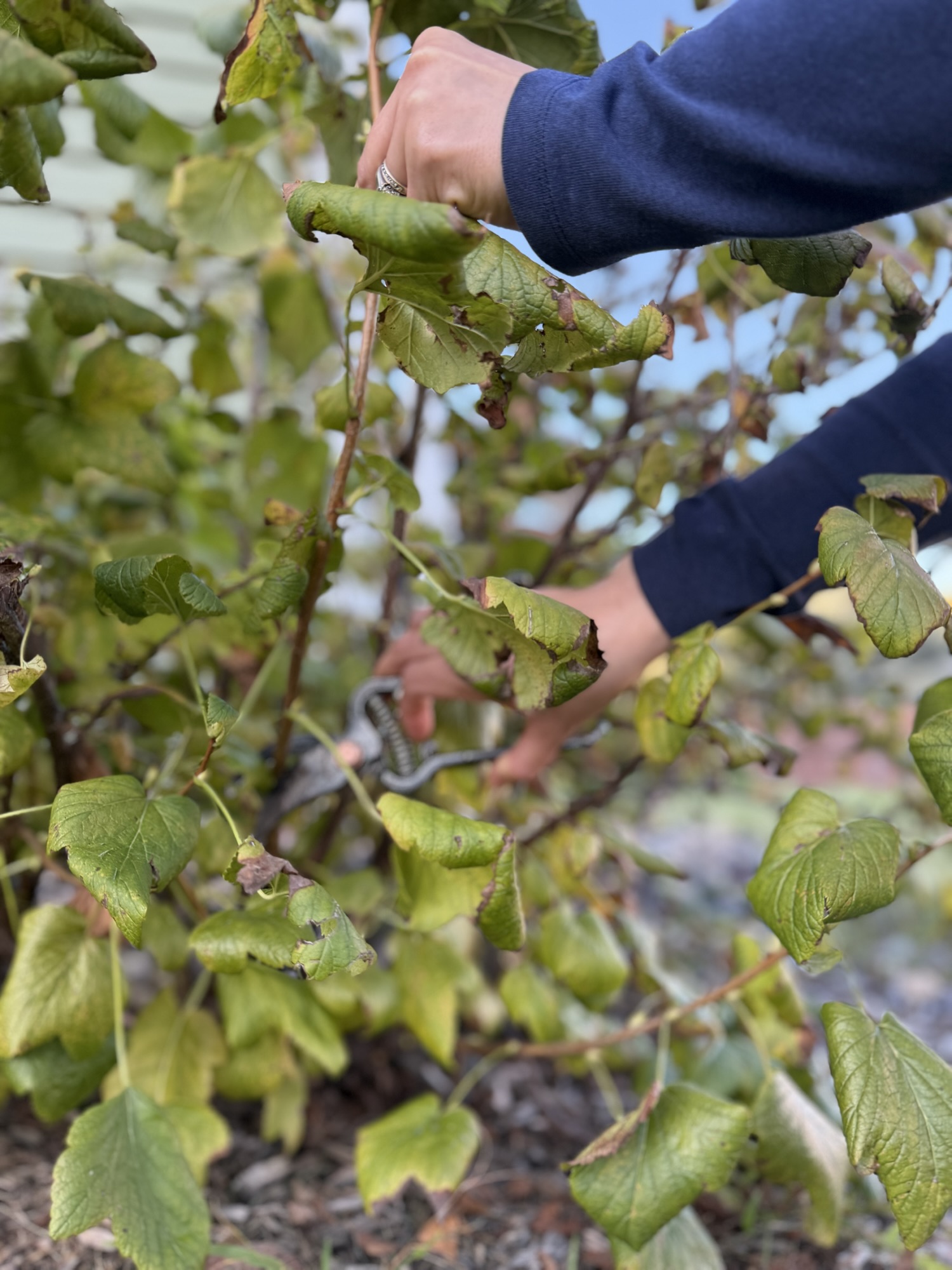

Step 2. Remove all leaves. Be careful not to damage the buds.

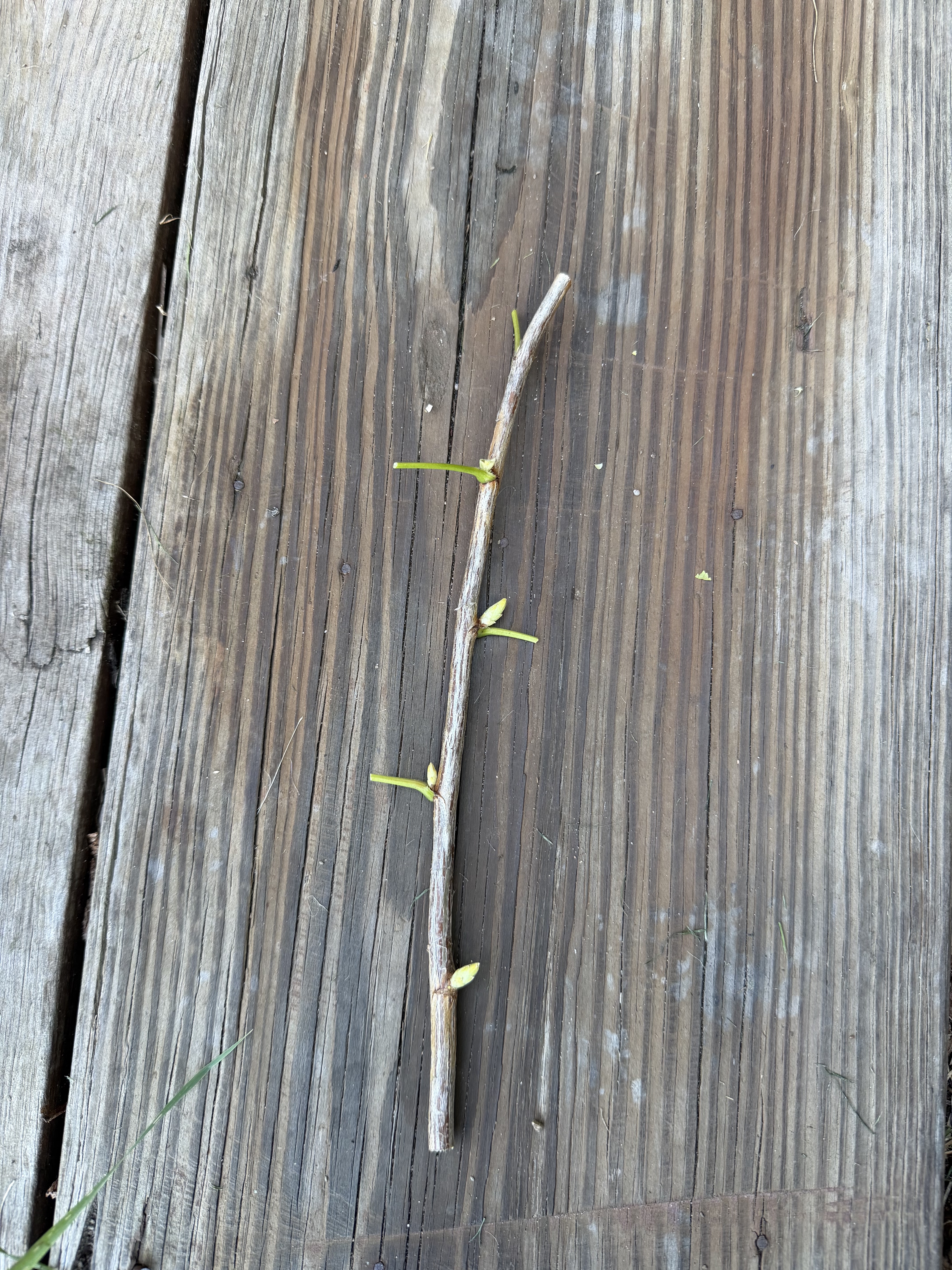
Step 3. Insert them into well-prepared soil or pots, with two-thirds buried.
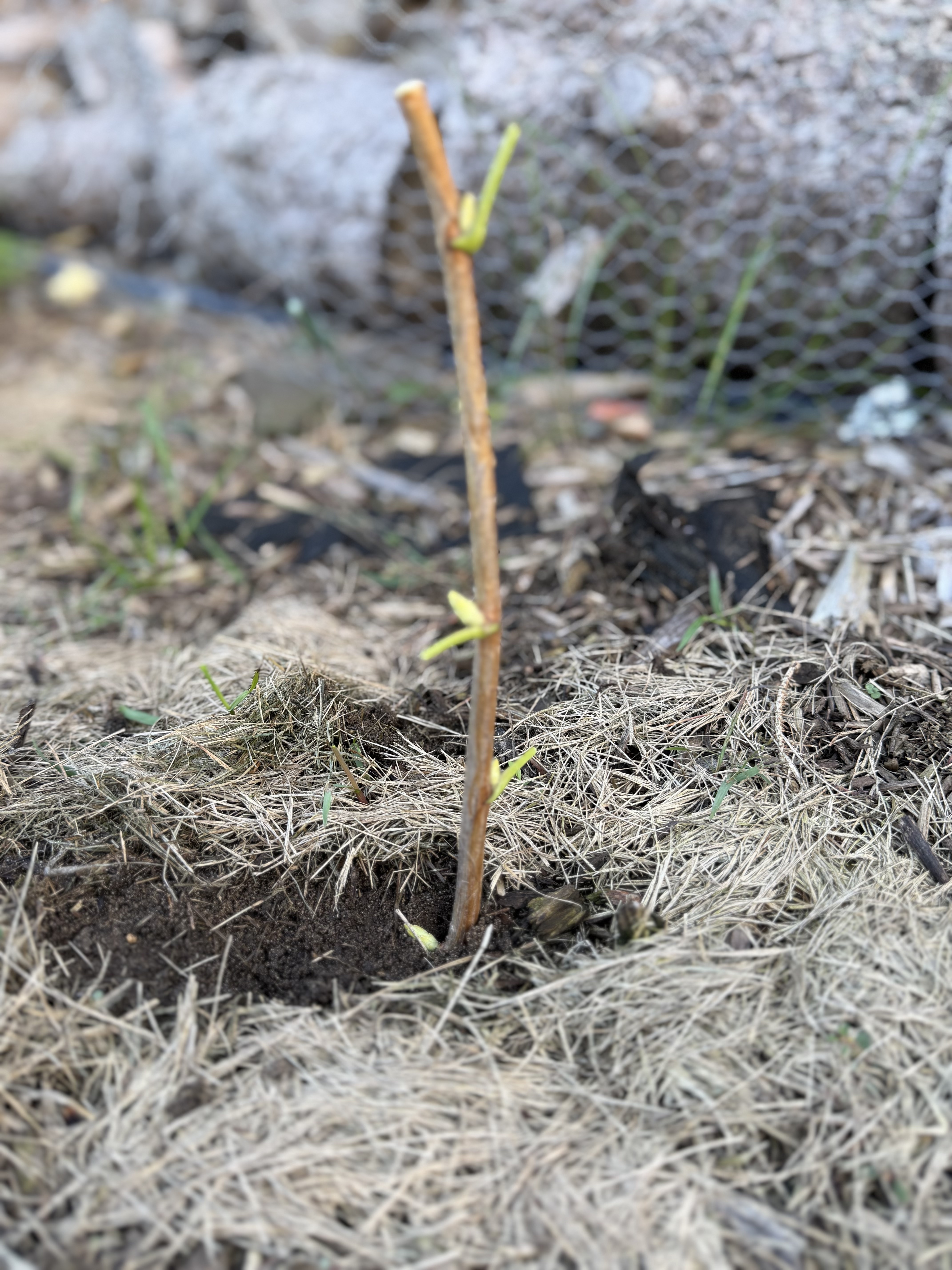
Step 4. Keep moist, and by the next growing season, they should root and be ready for transplanting. If you live in a dry climate, plant cuttings in moist soil that is well-drained. In dry climate, plant in a pot to control moisture. Or if plant in the ground, water daily for 30 days (if no rain) when root system is being established. Root hormone is not essential in this process. Currants easily make roots from their branches when they touch moist soil. They can also form roots when placed in water.
Step 5. You know that your process is successful is when the buds had sprouted. Sprouting will take place close to 60 days post planting a wooded branch. By now the root system has developed.

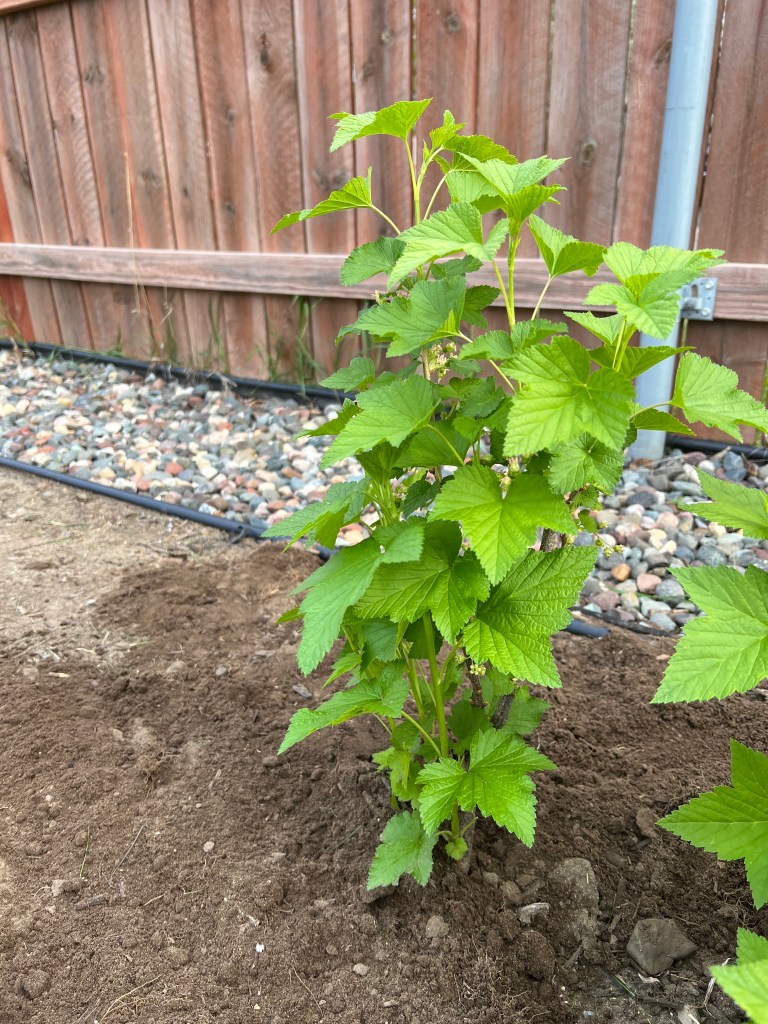
This is the image from last year’s cutting.
Conclusion
With planning and care, black currants can become a productive and low-maintenance part of your garden. They are valuable for their rich flavor and nutritional benefits. They make an excellent addition whether you’re growing them for fresh eating, preserves, or juice. Choose disease-resistant varieties, give them the right conditions, and enjoy a bountiful harvest year after year in your home garden. It is true at first that it is hard work, but it is not. These fruit bushes are great for landscape designs as well. Condensed bushy branches and big green leaves make beautiful garden borders. Black currant bushes are not invasive. Well worth planting in home gardens. Rabbits are not touching my bushes as they are rabbit-resistant.

 Suburban Livings
Leave a comment